What Is Vitamin E?Learn About Its Functions, Benefits, and Sources
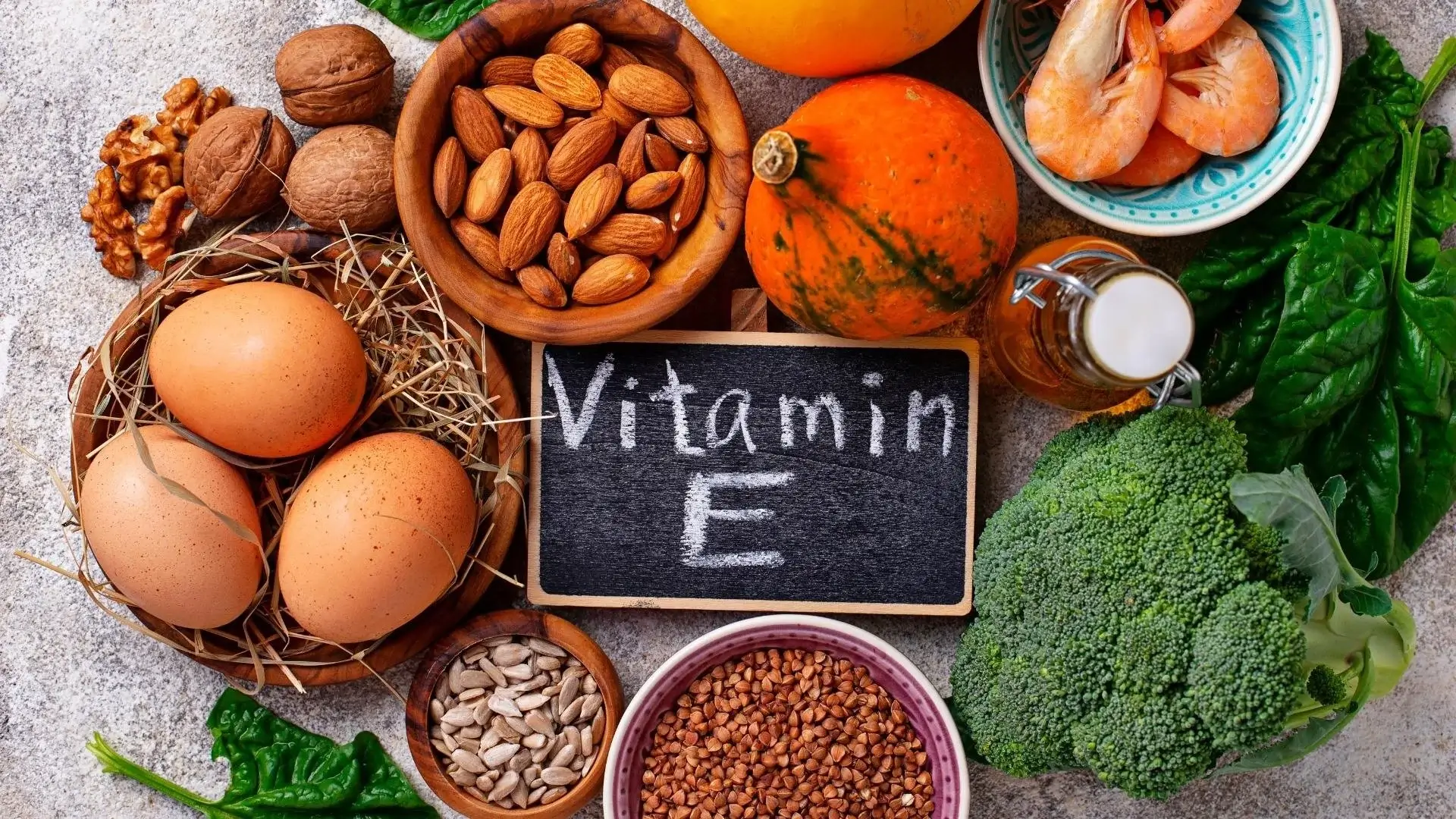
Vitamin E is a fat-soluble vitamin and a powerful antioxidant that helps protect the body’s cells from damage caused by free radicals. It plays an important role in supporting the immune system, maintaining healthy skin and eyes, and improving blood circulation. Vitamin E also helps in cell repair and keeps red blood cells healthy. It is naturally found in foods like nuts, seeds, vegetable oils, spinach, and fortified cereals, and is also available as a dietary supplement.
Functions of Vitamin E (What Does Vitamin E Do?)
Vitamin E is a powerful fat-soluble antioxidant that plays several important roles in maintaining overall health. One of its main functions is to protect body cells from oxidative damage caused by free radicals. This protection helps slow down aging and reduces the risk of chronic diseases such as heart disease and cancer.
Vitamin E also plays a key role in supporting the immune system. It helps the body fight infections by improving the activity of white blood cells. This makes the immune system stronger and more effective.
Another important function of Vitamin E is maintaining healthy skin and eyes. It helps keep the skin moisturized, protects it from sun damage, and supports faster wound healing. For the eyes, it helps lower the risk of age-related vision problems.
Vitamin E also contributes to proper blood circulation by preventing blood clots and supporting healthy blood vessel function. It helps red blood cells stay healthy so they can transport oxygen efficiently throughout the body.
Additionally, Vitamin E is important for hormonal balance and brain function, supporting nerve health and helping the brain work properly.
In short, Vitamin E is essential for cell protection, immunity, skin health, blood flow, and overall body performance.
Vitamin E Deficiency (What Happens If There Is a Lack of Vitamin E?)
Vitamin E deficiency occurs when the body does not get enough Vitamin E to perform its important functions. Since Vitamin E is essential for protecting cells and supporting the immune system, a lack of it can lead to several health problems. Although deficiency is rare in healthy people, it can occur in those with poor diets, fat-absorption disorders, or certain medical conditions.
One of the most common effects of Vitamin E deficiency is weak immunity, which makes the body more vulnerable to infections. People may get sick more often and take longer to recover. Another major problem is muscle weakness and fatigue, as Vitamin E is important for proper muscle function.
Vitamin E deficiency can also cause nerve damage, leading to numbness, tingling sensations, poor balance, and difficulty walking. In severe cases, it may affect coordination and reflexes. Vision problems may also occur because Vitamin E helps protect eye cells from damage.
In children, long-term deficiency may slow down growth and development. Additionally, low Vitamin E levels can lead to dry, dull skin and hair problems.
In summary, Vitamin E deficiency can weaken the immune system, damage nerves, affect muscles and vision, and reduce overall health if not treated properly.
Foods That Contain Vitamin E (Sources of Vitamin E)
Vitamin E is naturally found in a variety of foods, especially nuts, seeds, and vegetable oils. Some of the richest sources include almonds, sunflower seeds, hazelnuts, and peanuts. These provide a significant amount of Vitamin E that supports skin health, immunity, and overall cell protection.
Vegetable oils like sunflower oil, wheat germ oil, safflower oil, and olive oil are also excellent sources. Including these oils in cooking or salads can help meet daily Vitamin E needs.
Green leafy vegetables such as spinach, broccoli, and kale contain moderate amounts of Vitamin E and are beneficial for overall nutrition. Certain fruits, like avocados, kiwis, and mangoes, also provide small but valuable amounts of this essential vitamin.
Fortified foods such as breakfast cereals and plant-based milk often have added Vitamin E, making them a convenient option for people with dietary restrictions.
By regularly including these foods in your diet, you can maintain healthy Vitamin E levels, support your immune system, protect cells from oxidative damage, and promote healthy skin and eyes.
FAQs
1. What is Vitamin E?
Vitamin E is a fat-soluble vitamin and a powerful antioxidant that protects cells from damage. It is essential for overall health, including skin, eye, and immune system support.
2. What are the benefits of Vitamin E?
- Protects cells from free radical damage
- Supports healthy skin and hair
- Boosts the immune system
- Supports heart and eye health
- Helps with wound healing and tissue repair
3. What happens if you have a Vitamin E deficiency?
- Weak immune system
- Muscle weakness and fatigue
- Vision problems
- Dry or damaged skin
- Nerve damage in severe cases
- Slow wound healing
4. How can I get Vitamin E from food?
Vitamin E can be obtained from:
- Almonds, sunflower seeds, peanuts
- Spinach, broccoli, avocado
- Olive oil, wheat germ oil, pumpkin seeds
5. Can Vitamin E be taken as a supplement?
Yes, Vitamin E supplements are available, but it’s best to consult a doctor before taking them, especially in high doses, as excessive Vitamin E can cause health issues.
6. Who is at risk of Vitamin E deficiency?
- People with certain digestive disorders (like Crohn’s disease or celiac disease)
- Premature infants
- Individuals with fat absorption issues


1 Comment
Top 10 Amazon Serums for Glowing Skin · December 4, 2025 at 9:36 am
[…] Hydrates and firms with Vitamin E […]