What Is Airway in First Aid?
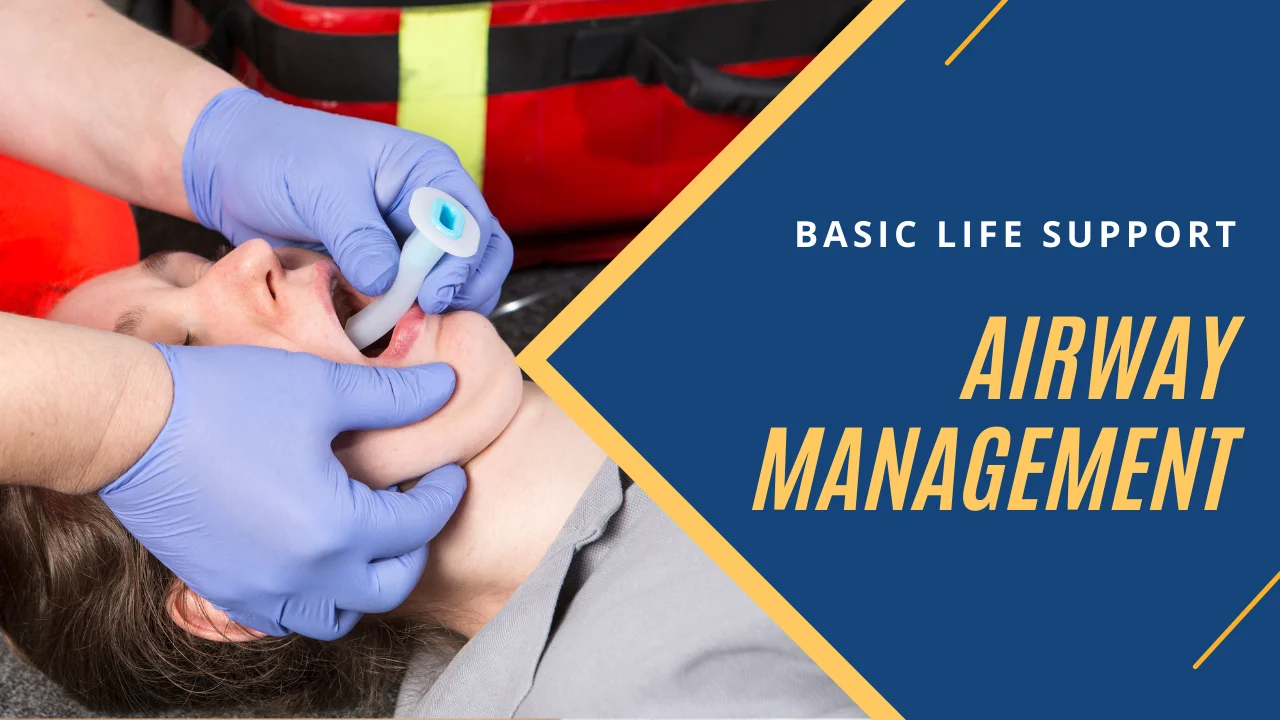
Maintaining an open and clear airway is the single most critical priority in first aid. Without a clear airway, oxygen cannot reach the lungs, and without oxygen, the brain begins to suffer irreversible damage within minutes. This is why the airway sits at the very top of the DRSABCD action plan used in emergency response: Danger, Response, Send for help, Airway, Breathing, CPR, Defibrillation.
Understanding how the airway works, how it becomes obstructed, and how to keep it clear can make the difference between life and death. This article explains what “airway” means in first aid, why it is so important, common causes of airway obstruction, and the essential steps for assessment and management.
What Does “Airway” Mean in First Aid?
In simple terms, the airway is the pathway that allows air to travel from the mouth and nose down into the lungs. It includes the mouth, tongue, throat (pharynx), voice box (larynx), and windpipe (trachea). For oxygen to reach the lungs and support breathing, this pathway must remain open and unobstructed.
In first aid, “airway” refers to checking, clearing, and maintaining this pathway so the casualty can breathe normally. It is one of the highest priorities because even minor obstructions can quickly develop into life-threatening emergencies.
Why Airway Management Is Critical
When someone becomes unconscious or suffers an injury, their airway can easily become blocked. For example:
- The tongue can relax and fall back, obstructing the throat.
- Vomit, blood, mucus, or fluid can pool in the airway.
- Foreign objects (often food or small objects in children) can lodge in the throat.
- Swelling, such as from allergic reactions or trauma, can narrow the airway.
- Injuries to the face, neck, or chest can collapse or obstruct the airway structure.
When airflow is limited or blocked, the body is deprived of oxygen. Signs of oxygen deprivation can appear within seconds, and permanent brain damage can begin within 4–6 minutes. This is why airway management is performed before anything else, including checking circulation or administering CPR.
How to Assess the Airway
First aid responders are taught to follow a simple sequence when assessing an airway:
1. Look
Check the mouth and face for visible obstructions such as vomit, blood, food, or swelling. Observe the chest for normal rise and fall.
2. Listen
Place your ear near the casualty’s mouth and nose. Listen for normal, steady breathing sounds or abnormal noises such as gurgling, wheezing, or silence.
3. Feel
Feel for breaths on your cheek. A lack of breath or very irregular breathing means the airway may be blocked or the casualty is not breathing effectively.
If breathing is absent or abnormal (agonal breaths, gasping), you must act immediately.
Opening the Airway
The method used to open the airway depends on the casualty’s age and condition.
Head-Tilt/Chin-Lift (Adults and Children)
This is the most common airway-opening technique in first aid.
- Place one hand on the casualty’s forehead and gently tilt the head back.
- Use two fingers under the chin to lift it upwards.
This lifts the tongue away from the back of the throat and opens the airway.
Neutral Head Position (Infants Under 1 Year)
Infants have softer tracheas and different anatomy.
- Carefully maintain a neutral (not overextended) head position.
- Over-tilting can collapse their airway rather than open it.
Jaw-Thrust (Suspected Spinal Injury)
If you suspect a neck or spine injury:
- Do not tilt the head back.
- Place your fingers behind the jaw and push it forward.
This opens the airway while reducing head movement.
Clearing Visible Obstructions
If something is clearly visible inside the mouth—such as food, vomit, or blood—remove it using your fingers in a gentle sweeping motion.
Do NOT do a blind finger sweep, as this can push the obstruction deeper.
If the airway remains obstructed or the casualty is not breathing normally, immediate action is required, including managing choking or beginning CPR.
Airway Obstruction: What It Is and How It Happens
An airway obstruction occurs when something blocks the normal flow of air into the lungs. This blockage can be partial, where some air passes through, or complete, where no air can get through at all. Both are emergencies, but a complete obstruction is life-threatening and requires immediate first aid.
Common Causes of Airway Obstruction
Airway blockages can happen unexpectedly in everyday situations. Common causes include:
- Food choking (most common in adults)
- Small objects (common in infants and children)
- Vomiting while unconscious
- Blood or mucus from injury
- Trauma to the head, face, throat, or neck
- Allergic reactions causing airway swelling (anaphylaxis)
- Inhalation of smoke, fumes, or chemicals
Understanding these causes helps rescuers identify risks quickly and respond appropriately.
Recognising Airway Obstruction
Recognising the signs early can save a life. Symptoms can vary depending on whether the obstruction is partial or complete.
Signs of Partial Obstruction
The person may still be able to breathe, speak, or cough. Signs include:
- Coughing or gagging
- Noisy breathing or wheezing
- Difficulty speaking clearly
- Panicked behaviour
If they can cough effectively, your job is to encourage them to keep coughing, as this is the body’s best way to clear the blockage.
Signs of Complete Obstruction
A complete obstruction is far more dangerous. Signs include:
- Inability to cough or make sounds
- Inability to speak or breathe
- Silent or weak attempts to inhale
- Clutching the throat (universal choking sign)
- Turning blue around lips or face (cyanosis)
- Losing consciousness
Without rapid intervention, complete obstruction can lead to cardiac arrest within minutes.
First Aid Steps for Airway Obstruction
Treatment depends on whether the casualty is conscious or unconscious, and their age.
1. Conscious Adults and Children (Over 1 Year Old
Step 1: Encourage Coughing
If the person is breathing and coughing:
- Do not hit their back immediately.
- Encourage them to cough forcefully.
- Stay with them and monitor their condition.
If coughing becomes weak or stops entirely, move to Step 2.
Step 2: Give Up to 5 Back Blows
- Stand behind or to the side of the casualty.
- Support their chest with one hand.
- Lean them forward to allow the object to come out.
- Use the heel of your other hand to deliver firm back blows between the shoulder blades.
Check after each back blow to see if the obstruction has cleared.
Step 3: Give Up to 5 Chest Thrusts
If back blows don’t work:
- Stand behind the casualty and wrap your arms around their chest.
- Place one hand in the middle of the chest (lower half of sternum).
- Push sharply inward and slightly upward.
Alternate between 5 back blows and 5 chest thrusts until the obstruction clears or the person becomes unresponsive.
2. Infants (Under 1 Year)
Infants are more delicate, so the technique changes.
Infant Back Blows
- Lay the baby face-down along your forearm.
- Support the head and neck.
- Deliver up to 5 gentle but firm back blows between the shoulder blades.
Infant Chest Thrusts
If back blows fail:
- Turn the infant onto their back.
- Use two fingers on the breastbone.
- Give up to 5 chest thrusts, pressing down about one-third the depth of the chest.
Alternate back blows and chest thrusts.
3. If the Person Becomes Unresponsive
This is a sign that the obstruction has caused a life-threatening collapse.
Start CPR Immediately
- Place the casualty on a firm, flat surface.
- Begin chest compressions at once.
- After 30 compressions, check the mouth for visible objects.
- Give 2 rescue breaths if you are trained.
- Continue CPR until the airway clears or emergency help arrives.
Do not give rescue breaths if the chest does not rise; the airway may still be obstructed. Continue compressions.
Call Emergency Services Immediately
Australia’s emergency number is 000. The UK uses 999. For the US and Canada, dial 911.
Call as soon as practical during the process.
The Recovery Position
If the casualty is breathing but unconscious, place them in the recovery position. This position keeps the airway open, prevents the tongue from blocking the throat, and allows fluids (vomit, blood, saliva) to drain from the mouth rather than entering the lungs.
How to Place Someone in the Recovery Position
- Kneel beside the casualty.
- Straighten their legs.
- Place the arm nearest you at a right angle.
- Bring the far arm across their chest and place the hand on the cheek closest to you.
- Bend the far knee.
- Roll them toward you onto their side.
- Tilt the head back slightly and open the mouth.
Monitor breathing continuously until help arrives.
When to Call Emergency Services
Call for help immediately if:
- The person cannot breathe, speak, or cough.
- Back blows and chest thrusts are not working.
- The casualty becomes unconscious.
- There is severe swelling from an allergic reaction.
- You are unsure or feel the situation is worsening.
Never hesitate to call emergency services—delays cost lives.
Key Takeaways to Remember
- The airway is the pathway for air to reach the lungs.
- It must be kept open, clear, and unobstructed at all times.
- Airway management is a top priority in first aid, especially for unconscious casualties.
- Airway obstruction can be caused by the tongue, food, vomit, swelling, or foreign objects.
- Recognise the signs: coughing, wheezing, inability to speak, cyanosis, or collapse.
- Use back blows and chest thrusts for conscious choking victims.
- Begin CPR immediately if the person becomes unresponsive.
- Place unconscious breathing casualties in the recovery position.
- Fast action can prevent brain damage and save a life.




0 Comments