Push Up Board Best Practice to Avoid Injuries
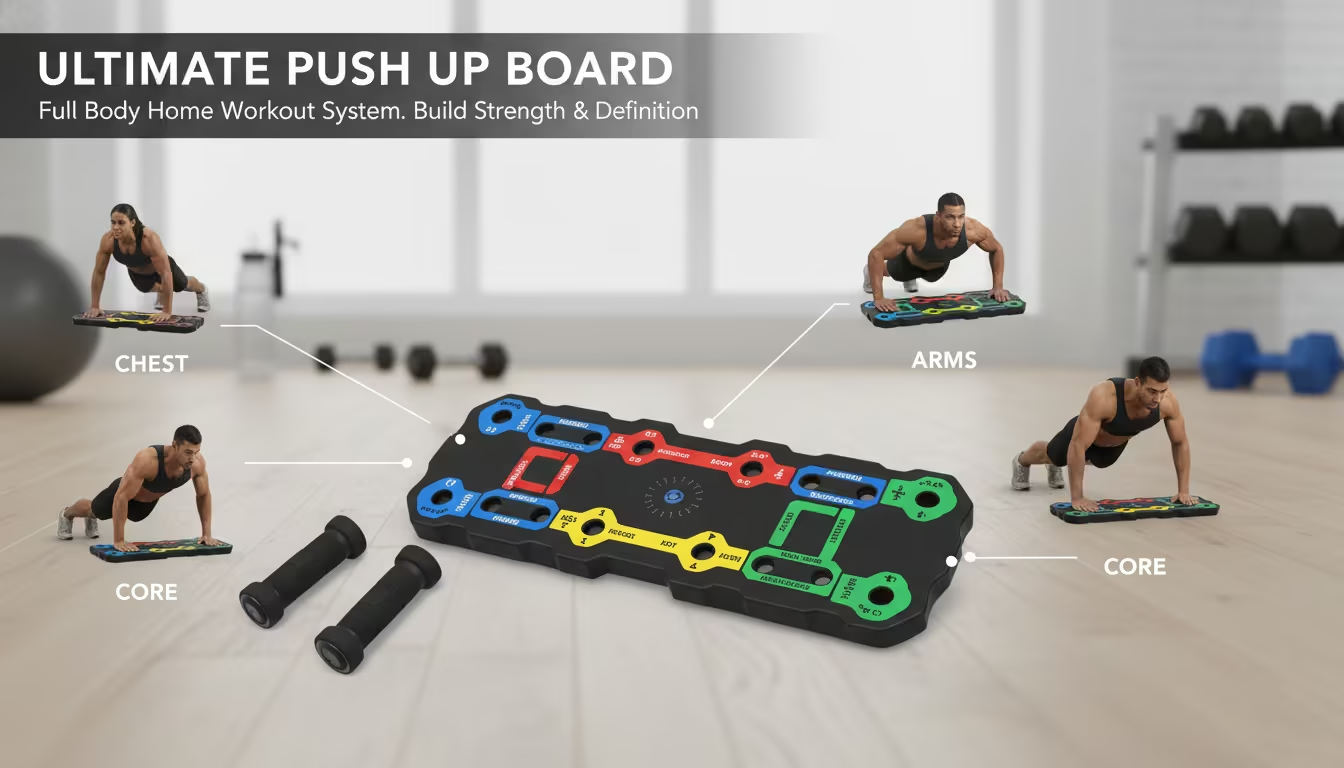
Push up boards are popular tools for home workouts. They help target different muscle groups using color-coded positions and angled hand placements. However, improper use can lead to wrist pain, shoulder strain, or lower back injuries. That is why learning correct push up board best practice is important before adding it to your routine.
In this guide, you will learn how to use a push up board safely, how to maintain proper form, and what common mistakes to avoid. Whether you are a beginner or experienced, following these guidelines will help you train effectively while reducing injury risk.
What Is a Push Up Board and How It Works
A push up board is a training platform with multiple slots for detachable handles. These slots are often color-coded to target specific muscle groups such as chest, shoulders, triceps, and back. By changing handle positions, you change the angle of your push up.
Unlike regular floor push ups, a push up board keeps your wrists in a more neutral position. This can reduce wrist strain when used correctly. However, incorrect posture or excessive repetition may still cause discomfort. Therefore, understanding the right technique is essential.
Why Injuries Happen with Push Up Boards
Many injuries happen because of poor form or overtraining. Even though the board is designed to guide hand placement, it does not automatically fix posture.
Common causes of injury include:
- Locking the elbows too hard at the top
- Dropping the hips or arching the lower back
- Placing hands unevenly
- Moving too fast without control
- Training with weak core stability
When these mistakes are repeated, they can stress the shoulders, wrists, and lower back. As a result, pain may develop over time.
Proper Setup Before You Start
Before doing your first repetition, make sure the board is placed on a flat, non-slip surface. If the floor is slippery, use a workout mat underneath. Stability is key to preventing accidents.
Next, insert the handles firmly into the correct color slots. Double-check that both handles are secure and evenly aligned. Uneven placement can cause muscle imbalance and strain.
Finally, warm up your body. Spend 5 to 10 minutes doing:
- Arm circles
- Shoulder rolls
- Light plank holds
- Wrist mobility stretches
A proper warm-up increases blood flow and prepares your joints for movement.
Correct Push Up Board Form Step by Step
Maintaining correct form is the most important part of push up board best practice. Follow these steps carefully.
- Start in a plank position with hands gripping the handles.
- Keep your shoulders directly above your wrists.
- Engage your core and squeeze your glutes.
- Keep your body in a straight line from head to heels.
- Lower your chest slowly while keeping elbows at about a 45-degree angle.
- Stop when your chest is just above the board.
- Push back up in a controlled motion without locking your elbows.
Move slowly and focus on control. Fast repetitions increase the risk of shoulder and elbow strain.
Protecting Your Wrists and Shoulders
Even though push up boards are designed to reduce wrist stress, poor technique can still cause discomfort. To protect your joints:
- Do not bend your wrists backward excessively
- Keep your grip firm but relaxed
- Avoid flaring elbows too wide
- Keep shoulders down and away from ears
If you feel sharp pain instead of muscle fatigue, stop immediately. Muscle burn is normal. Joint pain is not.
How Many Reps and Sets Are Safe
Overtraining is a common reason for injury. Beginners should start with:
- 2 to 3 sets
- 8 to 12 controlled repetitions
- 60 seconds rest between sets
As your strength improves, you can increase repetitions gradually. However, avoid sudden jumps in volume. Progress slowly to protect your muscles and joints.
Common Mistakes to Avoid
Avoiding mistakes is just as important as practicing proper form. Watch out for these common errors:
- Letting your hips sag
- Raising your head too high
- Holding your breath
- Using momentum instead of strength
- Ignoring pain signals
Additionally, do not train the same muscle group intensely every day. Muscles need recovery time to grow and repair.
Common Push Up Board Mistakes That Lead to Injuries
Even though a push up board is designed to make workouts safer and more structured, improper use can still cause strain. Therefore, understanding common mistakes will help you train smarter and avoid setbacks.
1. Flaring Your Elbows Too Wide
When your elbows flare out at a 90-degree angle, excessive pressure shifts to your shoulders. Over time, this can cause shoulder impingement or discomfort.
Instead, keep your elbows at about a 30–45 degree angle from your body. This position protects your shoulder joints while still activating your chest and triceps effectively.
2. Arching or Sagging Your Lower Back
Another common mistake is letting your hips drop or lifting them too high. As a result, your spine moves out of alignment.
To fix this:
- Engage your core before each rep
- Squeeze your glutes
- Keep your body in a straight line from head to heels
If maintaining proper form becomes difficult, reduce reps instead of pushing through with bad posture.
3. Locking Out Elbows Aggressively
While full extension is important, snapping your elbows at the top of the movement can strain the joint. Instead, extend your arms in a controlled manner and avoid hyperextension.
4. Ignoring Wrist Position
Even though push up boards usually reduce wrist pressure compared to flat push ups, improper grip placement can still create tension. Make sure your hands are centered in the handles and your wrists stay neutral, not bent backward.
5. Doing Too Much Too Soon
Many beginners try to complete high-rep sets immediately. However, sudden volume increases can lead to muscle strain, especially in the shoulders and triceps.
Instead:
- Start with 2–3 sets of 8–12 reps
- Gradually increase reps weekly
- Allow rest days between sessions
Progressive overload works best when it’s gradual and controlled.
How to Structure a Safe Push Up Board Workout
To maximize results while minimizing injury risk, you need a balanced workout structure.
Step 1: Warm Up Properly (5–10 Minutes)
A proper warm-up prepares your muscles and joints. For example:
- Arm circles
- Shoulder rolls
- Light plank hold
- Wall push ups
This increases blood flow and improves joint mobility.
Step 2: Choose 2–3 Target Areas Per Session
Instead of using all color positions in one session, focus on specific muscle groups. For example:
Day 1:
- Chest (blue)
- Triceps (green)
Day 2:
- Shoulders (red)
- Back (yellow)
This approach prevents overuse injuries and allows better muscle recovery.
Step 3: Maintain Controlled Reps
Avoid rushing through reps. Instead:
- Lower your body in 2–3 seconds
- Pause briefly at the bottom
- Push up with steady control
Time under tension improves muscle activation while keeping movements safe.
Step 4: Cool Down and Stretch
After finishing your workout, stretch the chest, shoulders, triceps, and wrists. Stretching reduces muscle tightness and improves flexibility over time.
Who Should Be Extra Careful?
While push up boards are generally safe, some individuals should take additional precautions.
- Beginners with weak core stability
- People recovering from shoulder injuries
- Individuals with wrist pain or arthritis
- Older adults starting strength training
If you fall into these categories, start slowly and consider consulting a fitness professional before intense training.
Push Up Board vs Traditional Push Ups: Which Is Safer?
Both exercises are effective. However, push up boards offer certain advantages.
First, they guide hand placement, reducing guesswork.
Second, elevated handles reduce wrist strain.
Third, they help isolate specific muscle groups.
On the other hand, traditional push ups require no equipment and allow natural movement freedom. Therefore, the safer option depends on your form and comfort level.
If wrist pain is your main concern, the push up board may be the better choice. However, proper technique remains the most important factor in injury prevention.
Final Thoughts
Push Up Board Best Practice to Avoid Injuries is not just about using the equipment—it’s about training intelligently. Proper form, controlled movement, gradual progression, and structured workouts all play a major role in keeping you safe.
Remember, consistency matters more than intensity. Instead of chasing high reps immediately, focus on quality execution and steady improvement. When used correctly, a push up board can be a powerful tool for building upper body strength while protecting your joints.



0 Comments