Nursing Care Plan for Poor Nutrition

Poor nutrition is a critical health issue that affects patients of all ages. It can lead to weakened immunity, delayed wound healing, fatigue, muscle wasting, and increased risk of infection or hospitalization. Nurses play a vital role in identifying patients at risk and developing an effective nursing care plan for poor nutrition to restore nutritional balance and improve overall health outcomes.
What Is Poor Nutrition?
Poor nutrition (malnutrition) occurs when the body does not receive the nutrients it needs. This may happen due to:
- Insufficient food intake
- Chronic illness or infection
- Poor absorption of nutrients
- Increased metabolic demand
- Lack of appetite
- Socioeconomic factors
Understanding the cause helps nurses tailor the care plan effectively.
Signs and Symptoms of Poor Nutrition
Early detection is essential. Common indicators include:
- Unintentional weight loss
- Muscle weakness or wasting
- Dry skin, brittle nails, hair thinning
- Fatigue and low energy
- Slow wound healing
- Poor concentration
- Dizziness or headaches
- Frequent infections
- Reduced appetite or difficulty eating
These signs guide nursing assessments and interventions.
Nursing Assessment for Poor Nutrition
A thorough assessment includes:
1. Subjective Data
- Patient reports fatigue, poor appetite, nausea
- Dietary history and eating patterns
- Changes in taste, swallowing difficulty
- Socioeconomic or psychological barriers to eating
2. Objective Data
- Weight and BMI
- Skin turgor and hydration status
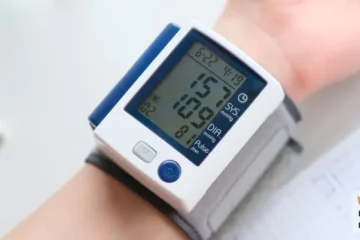
- Vital signs
- Lab values (albumin, prealbumin, electrolytes, hemoglobin)
- Observation of muscle mass and physical appearance
NANDA Nursing Diagnosis for Poor Nutrition
Possible diagnoses include:
- Imbalanced Nutrition: Less Than Body Requirements
- Risk for Imbalanced Nutrition
- Deficient Fluid Volume (if dehydration present)
- Fatigue related to insufficient nutrient intake
Goals and Expected Outcomes
The nursing care plan should aim to:
- Improve appetite and nutritional intake
- Maintain or increase body weight
- Normalize lab values
- Strengthen muscle mass and energy levels
- Promote healthy eating behaviors
- Prevent complications such as dehydration or infection
Nursing Interventions for Poor Nutrition
1. Assess Nutritional Status Regularly
- Monitor weight, BMI, and food intake
- Track daily calorie and protein consumption
- Review laboratory results for nutritional deficiencies
2. Promote Adequate Nutrient Intake
- Offer nutrient-dense meals and snacks
- Encourage small, frequent meals
- Provide oral nutrition supplements if needed
- Work with a dietitian for a personalized plan
3. Address Barriers to Eating
- Manage nausea, pain, or swallowing difficulties
- Assist with feeding if the patient has limitations
- Ensure denture fit for elderly patients
- Create a calm, comfortable eating environment
4. Hydration Support
- Encourage adequate fluid intake
- Offer oral rehydration solutions if needed
- Monitor signs of dehydration
5. Patient and Family Education
- Teach the importance of balanced meals
- Provide easy, affordable meal ideas
- Discuss ways to improve appetite
- Involve family members in supporting meal planning
6. Monitor for Complications
- Observe for signs of infection
- Monitor wound healing progress
- Watch for electrolyte imbalances
Nursing Care Plan Example (Short Format)
Nursing Diagnosis: Imbalanced nutrition: less than body requirements
Goal: Patient will improve nutritional intake and gain weight within 2–4 weeks.
Interventions:
- Monitor daily calorie intake
- Provide high-calorie, high-protein diet
- Offer supplements between meals
- Educate patient on healthy foods
- Track weekly weight
Evaluation: Patient reports better appetite, weight increased by 1–2 kg, energy level improved.
Special Considerations
Poor Nutrition in Elderly
Older adults may face decreased appetite, difficulty chewing, chronic illness, and social isolation. They require careful monitoring, softer foods, and hydration support.
Poor Nutrition with Dehydration
A combined care plan for poor nutrition and hydration includes electrolyte monitoring, fluid balance charts, and encouragement of fluids alongside proper nutrition.
Conclusion
A well-structured nursing care plan for poor nutrition is essential to restore health, prevent complications, and improve patient outcomes. Through comprehensive assessment, personalized interventions, and continuous monitoring, nurses play a crucial role in helping patients achieve optimal nutritional status.


0 Comments