Is Vaseline Good for Your Lips?
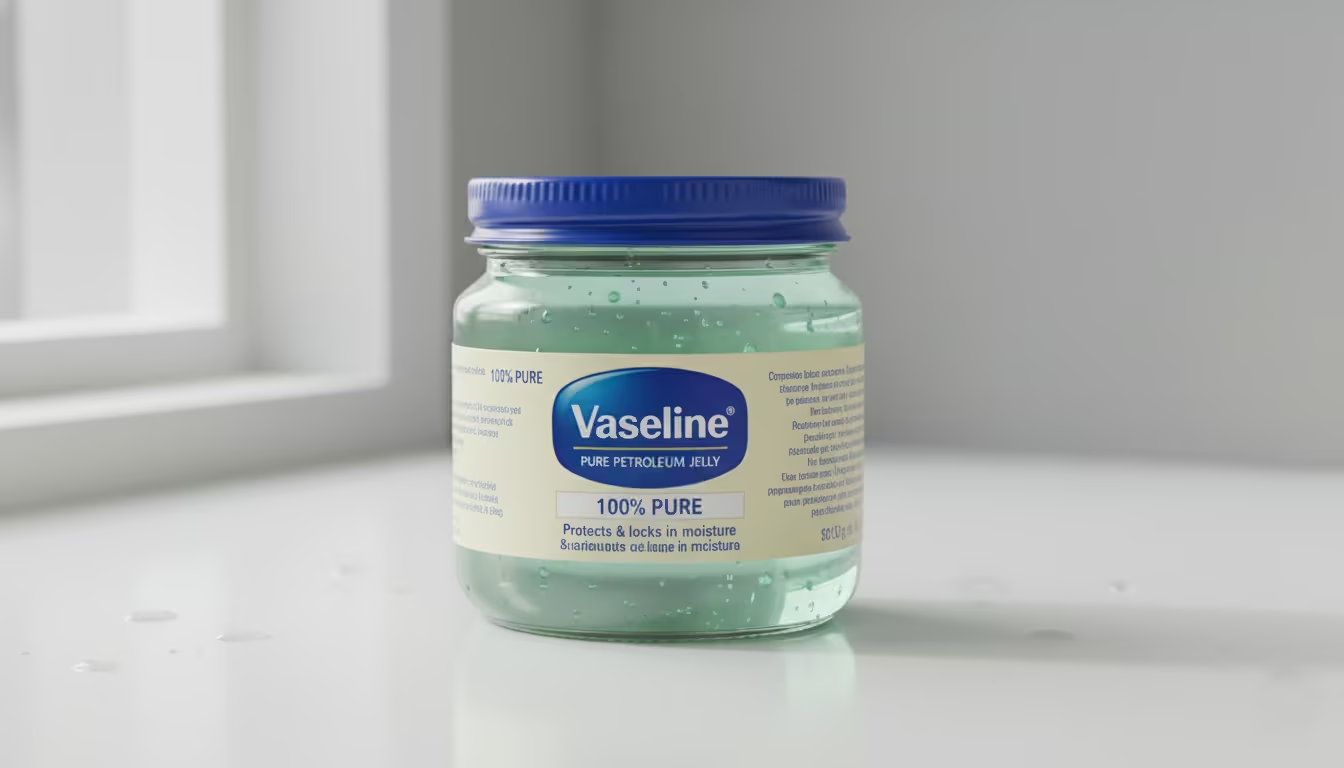
Dry, chapped lips are something almost everyone has experienced at some point — especially during the cold, windy months or after spending too much time under the sun. When your lips start to feel tight, flaky, or even sore, it’s natural to look for quick relief. One of the most common go-to remedies is Vaseline — the classic petroleum jelly that’s been around for generations. But is Vaseline really good for your lips? Let’s take a deep look at what makes it effective, how it works, and how to use it properly for healthy, smooth lips.
Understanding What Vaseline Really Is
Vaseline is the brand name for a type of petroleum jelly, which is a mixture of mineral oils and waxes. It was first discovered in the 19th century and has since become a household essential used for moisturizing, healing, and protecting skin.
The key property of petroleum jelly is that it forms a protective barrier on the skin. This layer helps lock in moisture and prevents external factors — like wind, dry air, and sun — from stripping away the skin’s natural hydration. Unlike some products that add moisture, Vaseline doesn’t hydrate the lips directly but instead seals in existing moisture, allowing the skin to heal and stay soft.
Why Lips Get Dry and Chapped
To understand how Vaseline helps, it’s useful to know why lips dry out in the first place. Unlike other parts of the body, your lips don’t have oil glands to naturally keep them moisturized. This means they’re more vulnerable to environmental stressors, such as:
- Cold and dry weather: The lack of humidity pulls moisture out of your lips.
- Sun exposure: UV rays can damage the delicate skin on your lips, leading to dryness and peeling.
- Licking your lips: Saliva evaporates quickly, leaving your lips even drier.
- Dehydration: When you’re not drinking enough water, your lips are one of the first areas to show it.
- Irritating products or foods: Spicy foods, citrus fruits, and alcohol-based cosmetics can make chapping worse.
That’s where Vaseline can play an important role — by protecting the lips from losing even more moisture and giving them the environment they need to heal.
The Science Behind Vaseline’s Effectiveness
Vaseline’s main strength lies in its occlusive properties. That means it acts as a seal over the skin. According to dermatologists, petroleum jelly is one of the most effective occlusive agents available — it prevents up to 98% of water loss from the skin. This is particularly helpful for lips that have already lost moisture and need to retain what little hydration remains.
When applied to dry or cracked lips, Vaseline:
- Forms a barrier that protects from wind and cold air.
- Prevents evaporation of moisture that’s already in the skin.
- Allows the skin to repair itself naturally by maintaining a moist healing environment.
It’s important to note that Vaseline doesn’t add new moisture — so applying it to completely dry lips without any hydration might not give the best results. A good tip is to apply a hydrating layer first, like a water-based lip balm or even a bit of aloe vera, and then seal it in with Vaseline.
Different Vaseline Variants for Lip Care
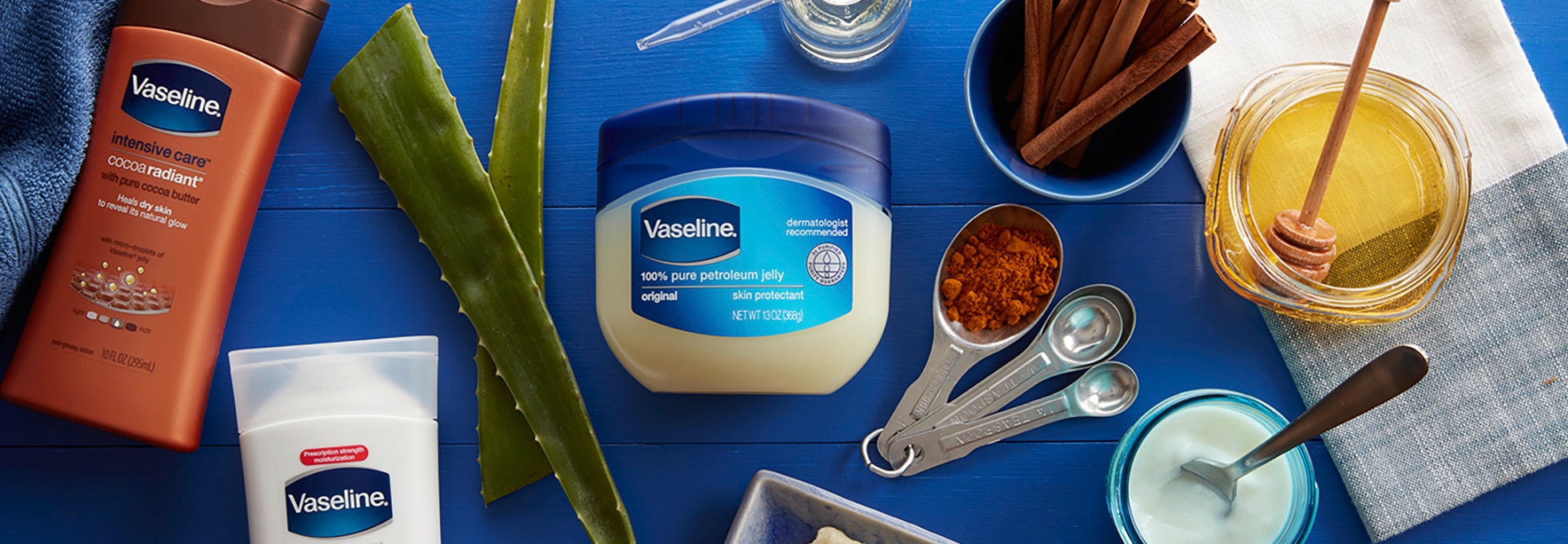
While traditional Vaseline® Petroleum Jelly is safe for the lips, the brand has also introduced specialized products like Vaseline Lip Therapy and Vaseline Cocoa Butter variants.
- Vaseline Lip Therapy Original: Designed specifically for lip care, it comes in small tins or mini jars that are easy to carry around.
- Vaseline Cocoa Butter Lip Therapy: Contains cocoa butter, which adds a mild fragrance and a touch of extra softness. Cocoa butter is known for its emollient properties, helping to nourish the lips while Vaseline locks in moisture.
- Vaseline Rosy Lips: Offers a light tint and fragrance while still delivering the same protective benefits.
All these products have the same petroleum jelly base but are formulated for different preferences and needs — whether you want something simple, scented, or slightly tinted.
When to Use Vaseline for Lips
The beauty of Vaseline is that it’s extremely versatile. Here’s how and when you can use it effectively:
- Daily Moisturizing: Apply a thin layer every morning and night to keep lips soft and hydrated.
- Before Bed: Coat your lips with a slightly thicker layer overnight to wake up with smoother, plumper lips.
- Before Makeup: Use Vaseline as a primer before applying lipstick to prevent flakiness and to help color glide on evenly.
- During Harsh Weather: Whether you’re heading out on a windy day or to a dry, cold environment, Vaseline acts as a protective shield.
- After Exfoliating: If you gently exfoliate your lips, applying Vaseline afterward helps seal in hydration and protect the fresh skin.
Common Myths About Vaseline and Lip Care
Despite Vaseline’s long-standing reputation, there are a few myths that often confuse people about its safety and effectiveness for lips. Let’s clear those up:
1. “Vaseline dries out your lips.”
This is one of the most common misconceptions. Vaseline doesn’t dry your lips — it simply doesn’t add moisture. Instead, it locks in the moisture already present. If you apply it when your lips are already dehydrated and haven’t been moisturized first, it might feel like it’s not working. The best approach is to lightly moisten your lips or use a hydrating balm first, then seal with Vaseline.
2. “Vaseline clogs pores or is unsafe.”
On the skin, Vaseline is considered non-comedogenic, meaning it doesn’t clog pores. For lips, this is even less of a concern since they don’t have sebaceous (oil) glands. It’s also hypoallergenic and fragrance-free in its original form, making it safe for sensitive skin and suitable for almost everyone.
3. “Vaseline is just a temporary fix.”
While it’s true that Vaseline doesn’t treat underlying causes of chronic dryness like dehydration or vitamin deficiency, it’s highly effective as a protective and healing aid. It supports your lips’ natural repair process by preventing further moisture loss. Used consistently, it can maintain long-term softness and health.
Vaseline vs. Other Lip Care Products
There are countless lip balms on the market today, each claiming to hydrate, protect, and repair. So how does Vaseline compare?
1. Petroleum Jelly vs. Lip Balm
Most lip balms include a blend of waxes, oils, and sometimes humectants (ingredients that attract water). Vaseline, on the other hand, is purely occlusive — it traps existing moisture rather than drawing more in. This makes it ideal for sealing in hydration, especially after applying a water-based balm or drinking water.
A smart strategy is to layer: apply a moisturizing balm first, then a thin coat of Vaseline over it to lock it all in.
2. Vaseline vs. Natural Oils and Butters
Natural ingredients like shea butter, coconut oil, and cocoa butter are great emollients — they soften and nourish. The Vaseline Cocoa Butter Lip Therapy variant actually combines both benefits: the nourishing properties of cocoa butter and the sealing action of petroleum jelly. This dual-action approach makes it especially effective for extremely dry or flaky lips.
3. Vaseline vs. Medicated Lip Balms
Medicated balms with menthol or camphor can feel soothing at first, but they may irritate sensitive skin when used long-term. Vaseline, on the other hand, is gentle, simple, and free from such additives. It’s ideal for everyday use — even for children and people with allergies.
How to Use Vaseline for Healthier Lips
If you want to get the best results, it’s not just about slathering on Vaseline — technique and timing matter too.
Step-by-Step Lip Care Routine:
- Hydrate your body: Drink plenty of water. Moisture starts from within.
- Gently exfoliate: Once or twice a week, remove dead skin cells using a mild lip scrub or a damp cloth.
- Moisturize: Apply a light, hydrating lip balm or a drop of aloe vera gel.
- Seal with Vaseline: Lock in the moisture using a thin layer of Vaseline® Jelly or Vaseline® Lip Therapy.
- Protect: Reapply before going outside, especially in cold, windy, or sunny weather.
Pro Tip:
If your lips are severely cracked, use Vaseline Healing Jelly as an overnight mask. It’s richer and more concentrated, forming a stronger protective barrier while your skin repairs itself.
Dermatologists’ Take on Vaseline for Lips
Dermatologists widely recognize petroleum jelly as one of the safest and most effective treatments for dry, chapped lips. According to the American Academy of Dermatology (AAD), petroleum jelly is recommended to both prevent and heal dryness because of its ability to trap moisture without irritating the skin.
Some dermatologists even refer to it as a “skin protectant superhero”, especially for areas like the lips, where the skin is thinner and more sensitive. It’s also approved by the U.S. Food and Drug Administration (FDA) as a skin protectant, meaning it’s clinically safe for external use — including on the lips.
When to Be Cautious
While Vaseline is safe for most people, there are a few minor things to keep in mind:
- Avoid flavored or scented versions if you have allergies or very sensitive skin. Stick to the original formula or the cocoa butter variant.
- Don’t rely on it as sunscreen. Vaseline itself doesn’t contain SPF. If you’re heading out into the sun, use a lip balm with SPF first, then apply Vaseline on top for extra protection.
- Check your habits. If your lips remain persistently dry despite using Vaseline, you might be dehydrated or using harsh toothpaste or skincare products that are stripping your skin.
Real Benefits You’ll Notice Over Time
If you use Vaseline consistently, here’s what you can expect:
- Immediate relief from tightness and flaking
- Smoother texture after a few applications
- Protection from windburn and cold air
- Better lipstick application — your lips will hold color more evenly
- Long-term softness and resilience
Many people find that after using Vaseline for just a few nights, their lips feel significantly softer and look more naturally healthy.
The Verdict: Is Vaseline Good for Your Lips
Absolutely — yes. Vaseline is one of the simplest, most effective, and dermatologist-approved ways to heal, protect, and maintain soft lips. It works not by adding hydration, but by sealing in the moisture your lips already have and preventing environmental damage that can make dryness worse.
Whether you use the classic Vaseline® Healing Jelly or one of the brand’s lip therapy variants, this tried-and-true product can be the foundation of your lip care routine all year round. Combine it with good hydration habits, gentle exfoliation, and sun protection, and your lips will stay smooth, supple, and comfortable — no matter the season.
Key Takeaway
- Vaseline doesn’t hydrate — it locks in moisture.
- It’s safe, affordable, and effective for daily lip care.
- For best results, pair it with good hydration and SPF when outdoors.
So next time you’re wondering if Vaseline is good for your lips, the answer is a confident yes — it’s a simple classic that truly stands the test of time.



0 Comments