How to Choose a Good Electric Toothbrush
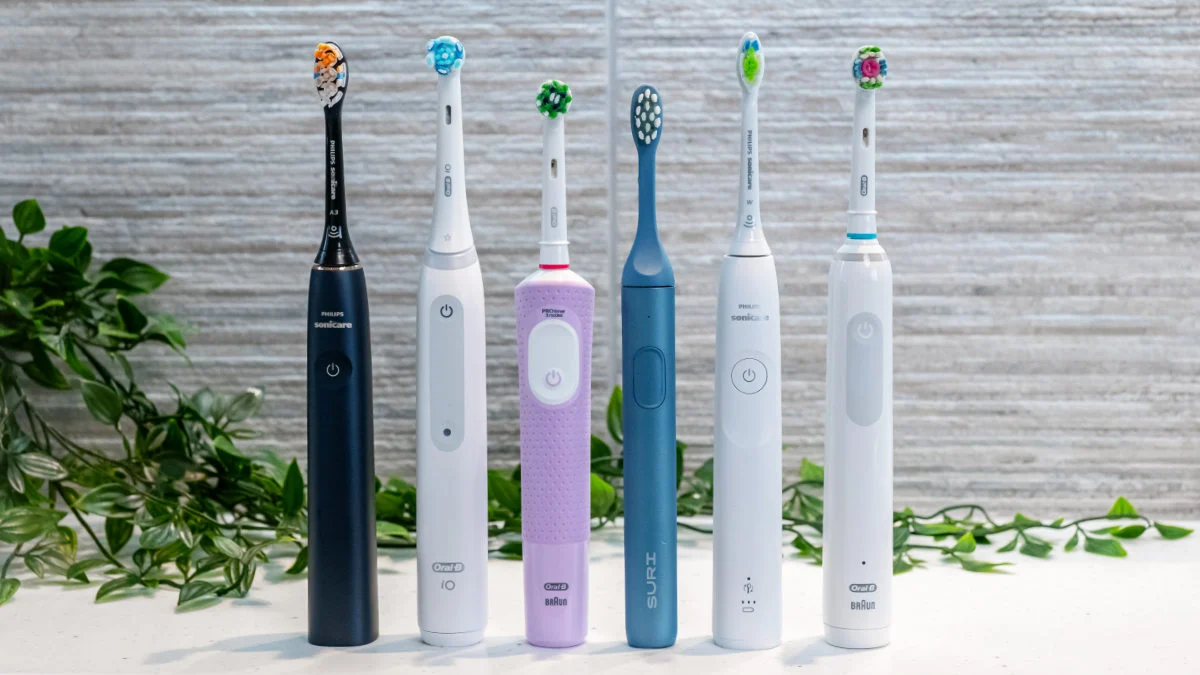
Choosing a good electric toothbrush is not about buying the most expensive model.
It’s about selecting the right features for your teeth, gums, and daily brushing habits.
With many options from brands like Philips Sonicare and Oral-B, understanding what actually matters will help you make the right decision.
This guide explains how to choose a good electric toothbrush step by step.
Why Choose an Electric Toothbrush?
Electric toothbrushes clean more effectively than manual brushes.
Key benefits:
- Removes more plaque
- Improves gum health
- Reduces brushing mistakes
- Easier to use for sensitive teeth and gums
This is why dentists often recommend electric toothbrushes over manual ones.
Types of Electric Toothbrushes
Sonic Toothbrush
Example: Philips Sonicare
- Ideal for sensitive teeth
- Uses high-frequency vibrations
- Gentle on gums


Oscillating-Rotating Toothbrush
Example: Oral-B
- Suitable for deep cleaning
- Round brush head
- Strong plaque removal
Sonicare vs Oral-B
- Sensitive gums → Sonicare
- Maximum plaque removal → Oral-B
Features That Matter Most
When choosing an electric toothbrush, focus on these essentials:
- Pressure sensor (prevents gum damage)
- Two-minute timer
- Multiple cleaning modes
- Rechargeable battery
Cleaning Modes
Most users only need:
- Standard (Clean)
- Sensitive (Gentle)
Extra modes are optional, not necessary.
Choosing the Best Brand
Why Many People Choose Philips Sonicare
- Gentle sonic technology
- Long battery life
- Slim brush head
- Good for sensitive gums
Why Some Prefer Oral-B
- Dentist-style cleaning
- Strong plaque removal
- Effective for braces
There is no single “best” brand. The right choice depends on comfort and dental needs.
How to Choose the Right Mode
Ask yourself:
- Do I have sensitive gums?
- Do I want simple or advanced features?
- What is my budget?
Most users do well with a mid-range model that includes:
- Pressure sensor
- Timer
- Standard and sensitive modes
You don’t need the world’s best electric toothbrush—only the one that fits your needs.
Brush Head Compatibility
Philips Sonicare brush heads are generally interchangeable within the Sonicare range.
Important notes:
- Sonicare brush heads do not fit Oral-B handles
- Always check compatibility before buying replacements
Final Buying Checklist
Before purchasing, make sure the toothbrush has:
- Pressure sensor
- Timer
- Suitable cleaning modes
- Easily available replacement heads
- Warranty and brand support
If these boxes are checked, it’s a good choice.
Conclusion
Choosing a good electric toothbrush is about balance—not hype.
Focus on comfort, essential features, and brand reliability.
A well-chosen mid-range electric toothbrush can deliver excellent oral health results without unnecessary cost.




0 Comments