Fitness Tracker vs Health Tracker: Key Differences and Uses
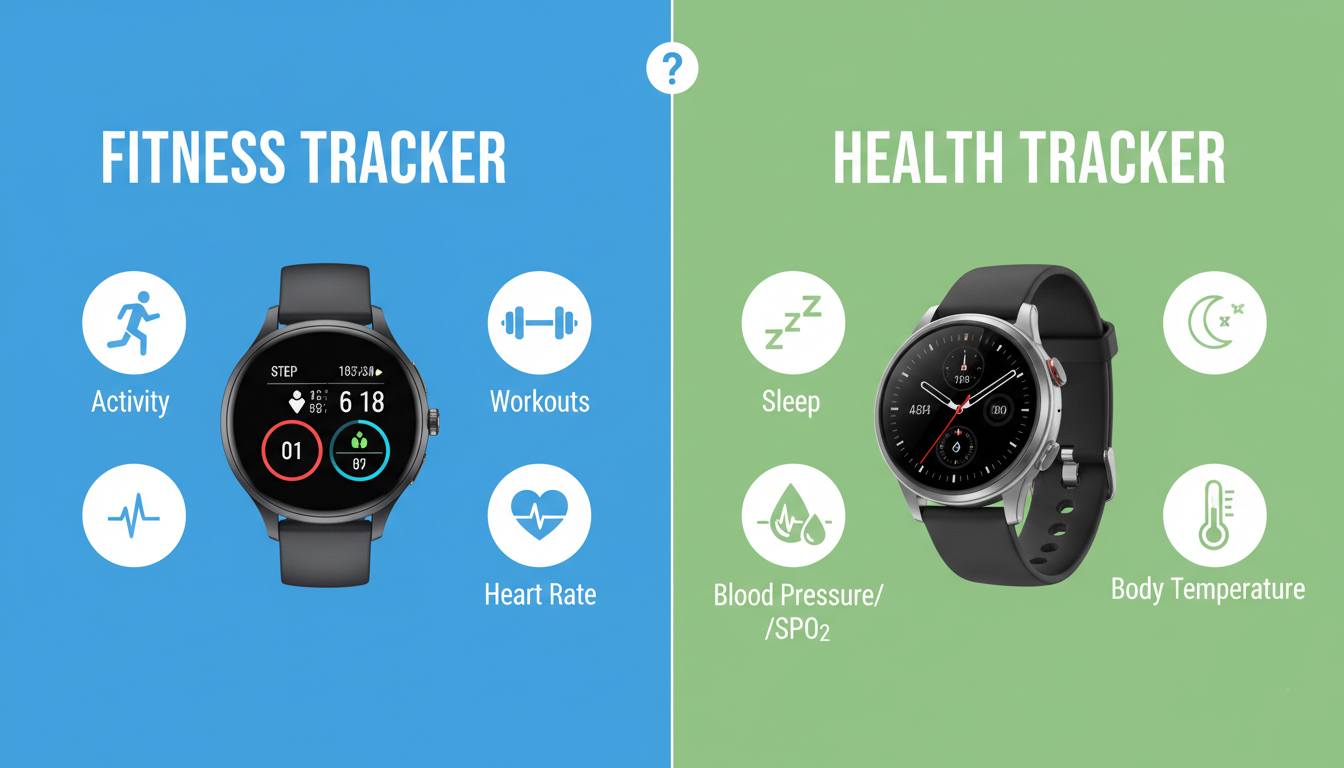
In today’s digital age, wearable technology has become an essential part of managing our fitness and health. However, many people confuse fitness trackers with health trackers, assuming they serve the same purpose. While they do overlap, their focus and features are quite different. Understanding these differences can help you choose the right device for your personal goals.
What is a Fitness Tracker?
A fitness tracker is designed primarily to monitor your physical activity. It helps you measure movement, exercise, and calories burned.
Key Features of Fitness Trackers:
- Tracks steps, distance, and active minutes
- Records workouts like running, cycling, or swimming
- Monitors heart rate during exercise
- Sometimes includes basic sleep tracking
Best For: Individuals who want to improve performance, increase activity levels, or track weight loss progress.
Example Use: You want to know how many steps you take daily, monitor your running pace, or log gym workouts.
What is a Health Tracker?
A health tracker is focused on your overall wellness rather than just activity. It provides insights into your body’s health metrics.
Key Features of Health Trackers:
- Monitors heart rate and blood pressure
- Tracks blood oxygen levels (SpO₂)
- Evaluates sleep quality and stress levels
- Some track hydration, menstrual cycles, or medication reminders
Best For: People managing chronic conditions, monitoring long-term wellness, or keeping track of overall health trends.
Example Use: You want to monitor blood pressure trends, sleep patterns, or receive alerts for irregular heart activity.
Key Differences Between Fitness and Health Trackers
| Feature | Fitness Tracker | Health Tracker |
|---|---|---|
| Main Focus | Physical activity and workouts | Overall wellness and health metrics |
| Metrics | Steps, calories, workouts, heart rate | Blood pressure, SpO₂, sleep quality, stress |
| Best For | Exercise enthusiasts, weight loss, performance tracking | Chronic condition management, health monitoring |
| Example Devices | Fitbit Charge, Garmin Vivosmart | Withings ScanWatch, Apple Watch Health Apps |
Why Many Devices Combine Both
Modern wearables often combine fitness and health tracking, giving users a full picture of both activity and wellness. For example:
- Tracking steps while also monitoring heart rate and sleep quality
- Receiving health alerts based on daily activity patterns
This combination allows users to not only stay active but also maintain overall wellbeing.
How to Choose the Right Device
When choosing between a fitness tracker and a health tracker, consider:
- Your main goal: Are you focusing on exercise or overall health?
- Required features: Do you need heart rate, blood pressure, or sleep tracking?
- Budget: Fitness trackers tend to be more affordable than advanced health trackers.
Final Thoughts
While fitness trackers and health trackers share some features, they serve different purposes. Fitness trackers are ideal for those wanting to improve physical performance, while health trackers are better suited for monitoring overall wellness. If you want the best of both worlds, look for a device that integrates activity tracking with health monitoring.




0 Comments