Benefits of Red Light Therapy for Hair Growth
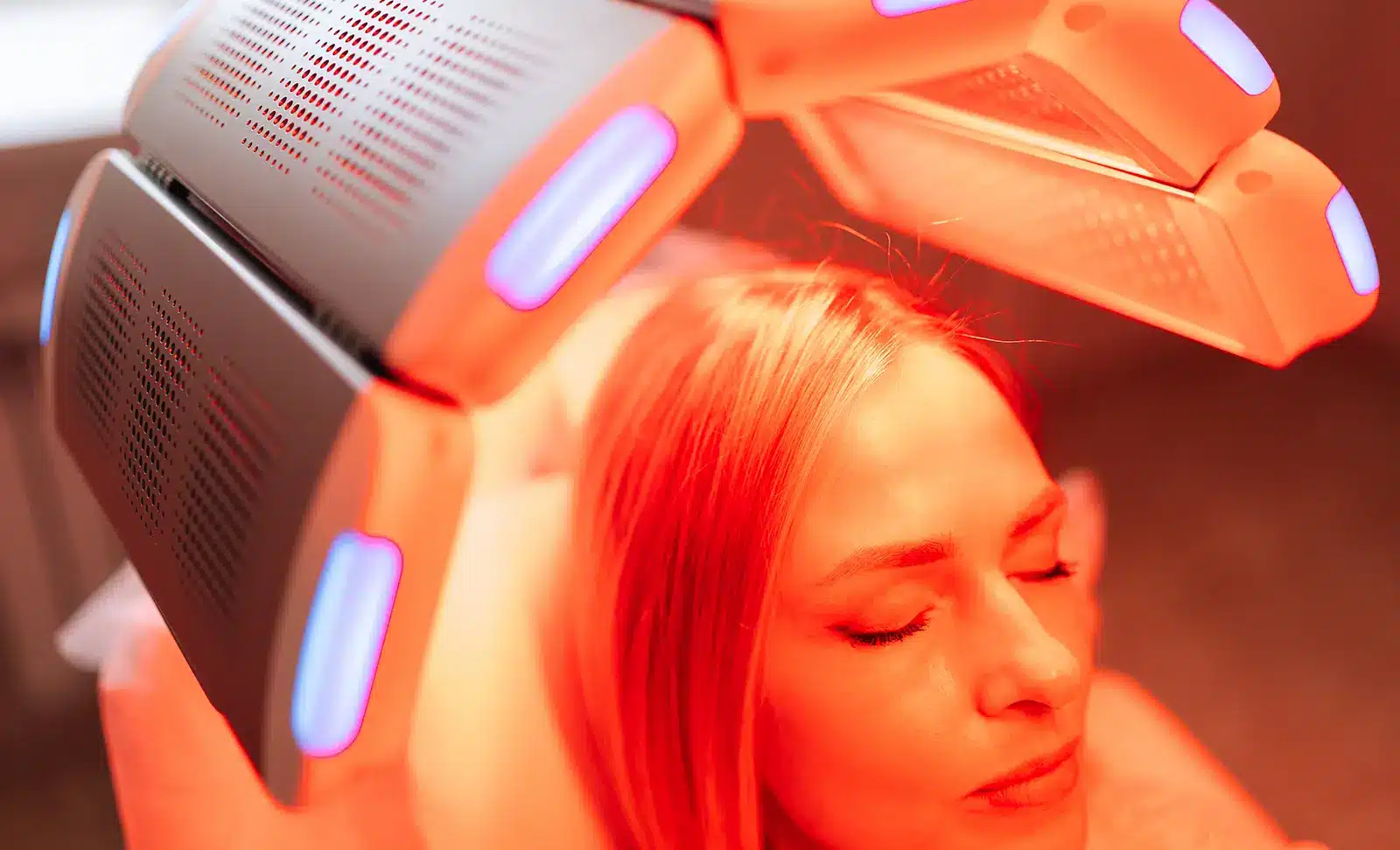
Hair loss can be frustrating, whether it’s from genetics, stress, aging, or lifestyle factors. Fortunately, red light therapy (RLT) has emerged as a promising, non-invasive way to stimulate hair growth naturally. Backed by science and increasingly used in both clinics and home devices, this therapy offers a gentle yet effective way to rejuvenate hair follicles and improve scalp health.
In this article, we’ll explore how red light therapy works, its key benefits, comparisons with other treatments, and practical ways to use it for the best results.
1. Understanding Red Light Therapy for Hair
Red light therapy, also known as low-level laser therapy (LLLT), uses specific wavelengths of light—typically between 630 nm and 680 nm—to penetrate the scalp and stimulate hair follicles. Unlike harsh chemical treatments or invasive procedures, it works by energizing cells at the root of each follicle to promote natural regrowth.
This light is absorbed by the mitochondria, the “powerhouse” of the cell, which then boosts energy production and improves cellular repair. Over time, this process helps strengthen weakened hair follicles and extends the growth phase of your hair cycle.
How it differs from other therapies:
- Red light therapy: Stimulates follicles through low-level light energy.
- Blue light therapy: Targets scalp bacteria and reduces dandruff or inflammation.
- Laser therapy: Similar to RLT but uses focused, higher-intensity beams, often used in clinics.
2. How Red Light Therapy Stimulates Hair Growth
To understand the benefits of red light therapy for hair growth, it helps to know how hair follicles function. Each follicle has a cycle of growth (anagen), rest (telogen), and shedding (catagen). Stress, poor circulation, and hormonal imbalance can disrupt this cycle, leading to thinning or hair loss.
Red light therapy helps by:
- Increasing blood flow: It enhances oxygen and nutrient delivery to follicles, ensuring they get the resources they need to grow stronger.
- Boosting cellular energy (ATP production): The light energy triggers ATP production, helping cells regenerate faster.
- Reducing inflammation: Calms scalp irritation and creates a healthier environment for hair growth.
- Encouraging thicker hair: By stimulating dormant follicles, it helps produce denser, healthier strands over time.
Clinical studies have shown that consistent use of red light therapy can significantly improve hair density, especially in individuals with androgenetic alopecia (pattern baldness).
3. Key Benefits of Red Light Therapy for Hair
The benefits of red light therapy for hair growth extend beyond just regrowth. It enhances overall scalp wellness, strengthens hair strands, and improves the look and feel of your hair.
Here are some of the top benefits:
1. Promotes Natural Hair Regrowth
Regular sessions can reactivate dormant hair follicles and increase the growth rate of existing ones, leading to fuller hair without medication or surgery.
2. Strengthens Hair and Reduces Breakage
Red light encourages collagen production, improving hair structure and minimizing breakage.
3. Improves Scalp Circulation
By boosting blood flow, the scalp receives more oxygen and nutrients, improving follicle vitality and reducing thinning.
4. Suitable for Both Men and Women
It’s a safe, chemical-free solution that benefits all hair types and genders, especially those experiencing early-stage hair loss.
5. Minimizes Inflammation and Dandruff
The anti-inflammatory effect of red light can soothe irritated or flaky scalps, supporting overall scalp health.
4. Comparing Light-Based Hair Therapies
Light therapy for hair isn’t limited to red light—different wavelengths serve different purposes. Understanding these differences helps you choose the right treatment for your needs.
| Therapy Type | How It Works | Best For |
|---|---|---|
| Red Light Therapy | Stimulates follicle energy production and blood flow | Hair regrowth, strengthening, scalp health |
| Blue Light Therapy | Reduces bacteria and inflammation | Dandruff, oily scalp, acne on scalp |
| Laser Hair Therapy | Focused beams of red light for deeper penetration | Advanced hair loss cases or clinical treatment |
Takeaway:
- Red light is ideal for hair growth and repair.
- Blue light supports scalp cleansing and reduces inflammation.
- Laser therapy is stronger but more expensive, often done under professional supervision.
Combining red and blue light therapy can yield the best of both worlds—stimulating growth while maintaining scalp cleanliness and balance.
5. Other Effective Hair Restoration Therapies to Know
While red light therapy is highly effective, it can also complement other non-surgical hair restoration methods.
Hair PRP (Platelet-Rich Plasma) Therapy
PRP uses your own blood plasma, rich in growth factors, injected into the scalp to stimulate follicle regeneration. When combined with red light therapy, it may enhance results and speed up regrowth.
Ozone Therapy for Hair
Ozone therapy increases oxygen supply and detoxifies the scalp. It’s known to reduce dandruff, repair damage, and strengthen follicles when used alongside light therapy.
Urine Therapy for Hair (Not Recommended)
Although some online sources claim urine therapy helps with hair growth, there is no scientific evidence supporting this. It can even irritate the scalp and should be avoided.
Expert Tip:
For optimal results, many dermatologists recommend combining red light therapy with PRP or topical growth serums to amplify follicle activation.
6. How to Use Red Light Therapy for Best Results
Getting results from red light therapy requires consistency and correct technique. Whether you’re using a handheld laser comb, helmet, or LED panel, understanding proper use ensures the therapy penetrates deeply and activates follicle growth effectively.
Practical Steps for Effective Use:
- Session Duration: Start with 10–20 minutes per session, about 3–4 times per week. Gradually increase if your scalp tolerates it well.
- Device Distance: Keep the light source 1–6 inches from your scalp for optimal absorption.
- Clean Scalp: Use the therapy on a clean, dry scalp to allow better light penetration.
- Combination Approach: For enhanced results, combine red light therapy with:
- Scalp massages (improves blood flow)
- Hair growth serums like minoxidil or peptide-based tonics
- Nutrient-rich diets (iron, biotin, zinc, protein)
Pro Tip:
Always follow the manufacturer’s guidelines. Using the device longer or closer than recommended won’t speed up results—it may just irritate the skin.
7. Possible Side Effects and Safety Precautions
One of the biggest advantages of red light therapy is its safety profile. Unlike chemical or surgical hair loss treatments, it doesn’t involve pain, needles, or recovery time. Still, there are a few important things to keep in mind.
Mild and Temporary Side Effects:
- Slight scalp redness or warmth during use
- Temporary dryness or flaking
- Light sensitivity in rare cases
These usually resolve on their own and can be minimized by adjusting session time or device distance.
Safety Tips:
- Avoid staring directly into the red lights—use protective eyewear if needed.
- Don’t use red light therapy on open wounds or infections.
- People with photosensitivity or on light-sensitive medications should consult a doctor first.
- Consistency matters more than intensity—avoid overusing the device.
When to Seek Professional Advice:
If you have an existing scalp condition or experience unusual irritation, consult a dermatologist or trichologist before continuing therapy.
8. Real Results and What to Expect Over Time
It’s important to have realistic expectations—red light therapy isn’t a quick fix, but a gradual process that strengthens hair from the inside out.
Typical Timeline of Results:
- 0–4 weeks: Improved scalp condition, less shedding, and better hair texture.
- 4–12 weeks: Noticeable increase in hair thickness and fullness.
- 3–6 months: Visible regrowth in thinning areas and overall healthier hair.
Results vary depending on genetics, diet, and consistency of use. Users with early-stage hair loss usually see faster improvements compared to those with long-term baldness.
Clinical Insight:
Studies show that individuals using red light therapy consistently for six months can experience up to 30–40% increase in hair density, especially when combined with a healthy lifestyle and topical treatments.
Encouraging Signs You’re on the Right Track:
- Reduced hair shedding
- Stronger strands when brushing
- Shinier, smoother scalp and hair texture
9. Final Thoughts: Is Red Light Therapy Worth It?
Red light therapy offers a safe, evidence-based, and convenient approach to hair restoration. It’s a smart option for those who want visible results without resorting to medications or surgery.
Pros:
- Non-invasive and painless
- No downtime or harsh chemicals
- Suitable for both men and women
- Proven to enhance follicle activity and circulation
Cons:
- Requires consistency and patience
- May not fully restore hair in severe baldness cases
- High-quality devices can be expensive initially
Who Benefits the Most:
- Individuals with early to moderate hair thinning
- Those seeking a natural, chemical-free treatment
- Anyone looking to maintain scalp health and prevent future loss
When combined with a balanced diet, scalp care, and healthy habits, red light therapy can be a powerful ally in maintaining fuller, stronger, and more vibrant hair.
Key Takeaway
Red light therapy works by stimulating the scalp at a cellular level, improving blood circulation, and reactivating dormant hair follicles. With consistent use, patience, and the right technique, it’s possible to see visible improvements in hair growth within months—without side effects or downtime.
If you’re ready to take control of hair loss naturally, red light therapy is a science-backed, practical, and gentle solution worth trying.
FAQs About Red Light Therapy for Hair Growth
1. Does red light therapy really help with hair growth?
Yes. Clinical studies show that red light therapy can stimulate dormant follicles, improve circulation, and enhance hair thickness when used consistently over several months.
2. How long does it take to see results from red light therapy?
Most users notice reduced shedding and stronger strands within 8–12 weeks. Visible regrowth usually becomes noticeable after 3–6 months of consistent use.
3. Is red light therapy safe for all hair types?
Yes, it’s safe for all hair types and both men and women. It’s non-invasive and chemical-free, making it ideal for sensitive scalps as well.
4. Can red light therapy be combined with other hair treatments?
Absolutely. Many people use it alongside PRP, minoxidil, or hair serums to amplify results and promote faster growth.
5. Are there any side effects of red light therapy for hair?
Side effects are minimal. Some users may experience temporary scalp warmth or mild redness, which usually disappears quickly. Always follow usage instructions to avoid overexposure.
6. How often should I use red light therapy for hair growth?
For best results, use it 3–4 times per week for about 10–20 minutes per session. Consistency is key to achieving noticeable improvements.
7. Is at-home red light therapy as effective as clinical treatments?
High-quality at-home devices can be very effective when used correctly and consistently. However, clinical-grade lasers may penetrate deeper for faster results in severe cases.
8. What causes hair loss?
Hair loss can be caused by genetics, hormonal changes, poor nutrition, stress, illness, medications, or scalp conditions. Identifying the cause is key to choosing the right solution.



0 Comments